Best eSIM for Germany 2026: How to Find the Right Plan for Your Trip
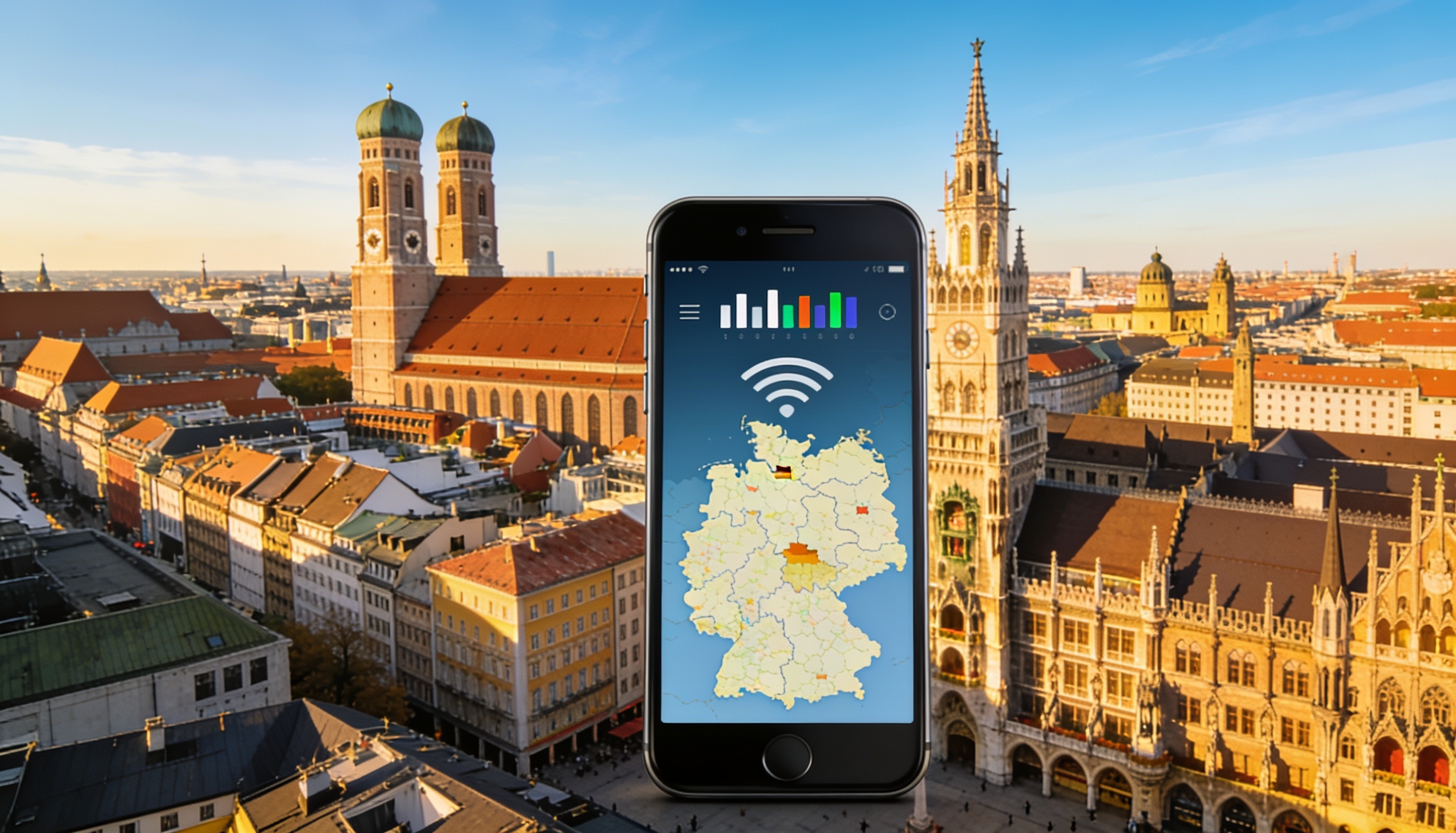
Travel eSIM plans for Germany vary more than most travellers expect — not just in price, but in which network they connect to, how much data you get before throttling kicks in, and whether tethering is allowed. Picking the wrong plan for a week at Oktoberfest or a two-week business trip can mean paying for more data than you'll use, or hitting speed throttling at exactly the wrong moment. The good news: the best eSIM for Germany 2026 is easy to find once you know the three things that actually matter.
What Makes a Germany eSIM Plan Good?
The best eSIM for Germany 2026 depends on three things: which network the plan runs on (Deutsche Telekom gives the broadest coverage across cities and rural areas), how much full-speed data the plan includes before throttling, and whether tethering/hotspot is supported. Price is secondary — plans in the same tier are often within a few euros of each other; the differences that matter most are coverage and throttling policies.
Germany has three major mobile networks: Deutsche Telekom, Vodafone, and O2. Telekom consistently ranks highest for both urban and rural coverage — it's the one to look for if you're travelling outside Munich, Berlin, and Hamburg, or making road trips through Bavaria or the Rhine Valley. Vodafone covers major cities well. O2 is the weakest of the three for coverage outside urban cores, but often offers the most competitive plan pricing.
Most travel eSIM providers for Germany roam on one of these three networks. The network partner isn't always listed prominently, so it's worth checking before you buy — especially if you're attending Oktoberfest, where six million visitors are simultaneously hammering the Munich cell network and you want to be on the strongest backbone possible.
Germany eSIM Plans: What the Market Looks Like in 2026
The eSIM market for Germany has matured significantly. You'll find plans ranging from lightweight short-stay options (good for a long weekend in Munich or Berlin) to multi-week plans with enough data to handle navigation, video calls, and light streaming throughout a longer trip. The key variables are data volume, validity window, throttling policy, and network partner.
| Plan Type | Best For | Typical Data | Validity | Tethering |
|---|---|---|---|---|
| Short Stay | City break, long weekend, Oktoberfest | 3–5 GB | 7 days | Usually included |
| Medium Stay | Two-week holiday, business trip | 10–20 GB | 14–30 days | Usually included |
| High-Data Stay | Remote work, extended travel | 50+ GB | 30 days | Check plan terms — often capped |
| Daily-Rate Plans Note | Short trips, flexible stays | Per-day allocation | Pay per day | Varies |
Live pricing and available plans change frequently as providers adjust their offerings. See current plans and compare by price per GB at roamprice.com/country/germany.
The Three Things That Actually Separate Germany eSIM Plans
1. Network partner — and why Telekom matters for Germany
Germany's geography means network quality varies sharply. Autobahn routes, the Bavarian Alps, the Rhine Valley — these all have cellular blind spots on weaker networks. Deutsche Telekom's infrastructure investment over the past five years gives it the strongest rural and transit coverage, which matters if you're travelling beyond the major cities. If your trip is entirely in Munich, Berlin, or Hamburg, Vodafone is a solid alternative. Check which network a plan uses before buying — it's often listed in the plan details or provider FAQ.
2. Throttling thresholds — the real-world data ceiling
Many plans that advertise a large total data allowance apply daily throttling once you hit a per-day limit. Hitting the throttle in the middle of navigating to a beer tent or on a video call is frustrating. Look at the plan's throttling policy carefully: some providers allow 3–5 GB of full-speed data per day before dropping to a lower speed, while others throttle much earlier. For Oktoberfest specifically — where you'll be sharing photos, using Maps in an unfamiliar city, and potentially video calling — a higher per-day full-speed threshold is worth prioritising.
3. Tethering / hotspot support
If you're travelling with a tablet, laptop, or want to share your connection with a travel partner, hotspot support is essential. Not all plans include it — and some that do cap hotspot use at a fraction of your total data allowance. Check the plan terms before buying if tethering is important to you.
Which Germany eSIM Plan Type Fits Your Trip?
Oktoberfest (3–5 days in Munich)
For a long weekend or a few days around Oktoberfest, a 5–7 day plan with at least 5 GB of data covers most travellers comfortably. Munich's city centre has strong 5G coverage across all three networks. The priority here is network quality on Telekom or Vodafone — you're sharing the Munich cell towers with millions of other visitors during the festival period, and a stronger network partner handles congestion better. See the Oktoberfest 2026 Complete Travel Guide for what else you need to plan ahead.
Two-week holiday (Berlin, Munich, Rhine Valley, Bavaria)
For two weeks of mixed city and regional travel, a 15–20 GB plan on the Telekom network gives the best combination of data headroom and rural coverage. If your itinerary includes train journeys through the countryside or driving through the Alps, rural coverage matters more than it does for a city-only trip. Tethering support is worth checking if you want to use your phone as a hotspot for a laptop or tablet at your accommodation.
Business travel or remote work
If you're working remotely from Germany or attending back-to-back video meetings, look for a 30-day plan with a generous daily full-speed threshold and confirmed tethering support. The daily throttle limit is especially important here — dropping to a low speed mid-meeting is the one scenario worth paying a little more to avoid.
Europe-wide travel that includes Germany
If Germany is one stop on a broader European trip, a multi-country European eSIM may be more cost-effective than a Germany-specific plan. These cover 30–40 countries under a single plan and avoid the hassle of buying separate eSIMs for each destination. The tradeoff is usually a slightly higher price per GB than a country-specific plan. Compare both options at roamprice.com/country/germany to see which makes more sense for your itinerary.
How to Set Up Your Germany eSIM Before You Land
Setting up a travel eSIM for Germany takes under five minutes and is best done at home, before your trip, so you're connected the moment you land. The general process: purchase your plan from a provider, receive a QR code by email, scan it in your phone's settings, and configure which line to use for data. On iPhone, go to Settings → Mobile Service → Add eSIM. On Android, the path varies by manufacturer but is usually Settings → Connections → SIM Manager → Add eSIM.
Check phone compatibility first. Your phone needs to support eSIM (most devices released after 2019 do) and must be carrier-unlocked. Carrier-locked phones from US operators in particular may not work with travel eSIMs abroad. See our Is My Phone Unlocked guide if you're unsure.
Once activated, switch your data SIM to the travel eSIM in your phone settings. Keep your home SIM active for calls and texts if needed — dual-SIM functionality means you can run both simultaneously without removing your physical SIM card.
Frequently Asked Questions
What is the best eSIM for Germany 2026?
The best Germany eSIM depends on your trip length and usage. For short stays up to a week, a plan with 5–7 GB on the Deutsche Telekom network covers most travellers. For two weeks or longer, look for 15–20 GB with tethering support. Compare live plans at roamprice.com/country/germany to find the current best price-per-GB option for your trip.
Which network is best for eSIM coverage in Germany?
Deutsche Telekom (formerly T-Mobile Germany) has the broadest coverage across Germany, including rural areas, Alpine regions, and along major road and rail routes. If you're staying in major cities only, Vodafone is a solid alternative. O2 is the weakest of the three for coverage outside urban cores.
Do eSIMs work at Oktoberfest in Munich?
Yes — eSIMs work throughout Munich and at the Theresienwiese festival grounds. The festival period does put high load on Munich's cell towers, so a plan on the Telekom or Vodafone network handles network congestion better than O2. Activating your eSIM before you arrive means you're connected as soon as you land at Munich Airport.
Can I use a European eSIM instead of a Germany-specific one?
Yes. If Germany is one stop on a wider European trip, a multi-country European eSIM covers 30–40 countries under one plan and avoids buying separate eSIMs for each destination. The tradeoff is usually a slightly higher cost per GB compared to a country-specific plan. Both options are available to compare at roamprice.com/country/germany.
Does tethering/hotspot work with Germany eSIM plans?
Most Germany eSIM plans support tethering, but some cap hotspot use at a fraction of your total data allowance. Always check the plan's hotspot policy before buying if sharing your connection is important. This detail is usually listed in the plan's full terms or FAQ on the provider's site.
How much data do I need for a week in Germany?
For a typical week of travel — navigation, messaging, social media, and occasional video — most travellers use between 3 and 8 GB per week. If you're streaming video or making regular video calls, plan for 10–15 GB. It's generally cheaper to buy slightly more data upfront than to top up mid-trip, so err on the side of more if you're unsure.
Ready to compare Germany eSIM plans?
See live prices and plan specs — no sign-up, no commission, just the data.
Compare eSIM plans for Germany →