Things to Do in Lisbon: The Essential 2026 Travel Guide
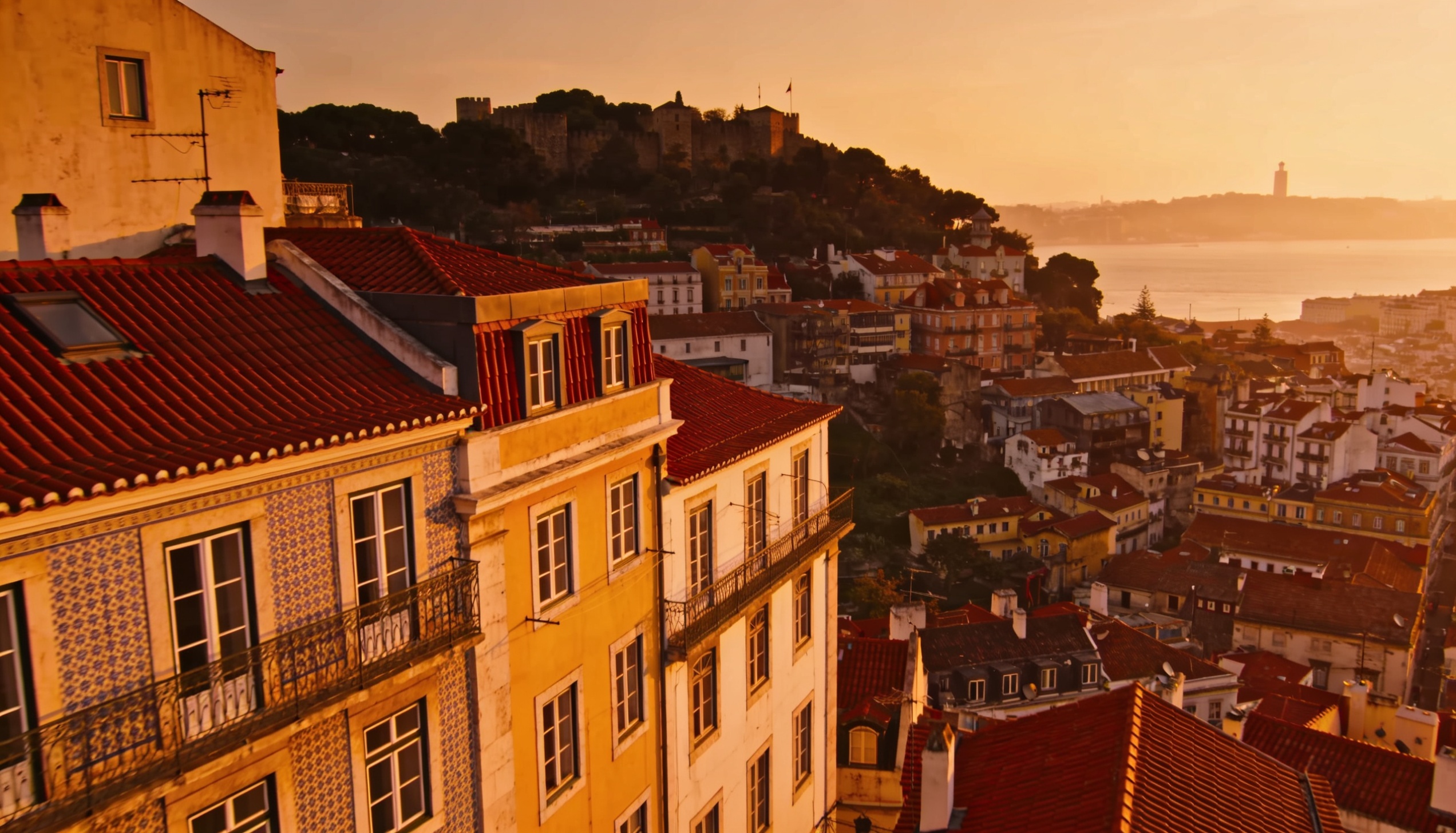
Lisbon does something that almost no other European capital manages: it feels genuinely unhurried. The hills slow things down physically, and the culture takes care of the rest. It is one of the oldest capitals on the continent, a city that survived a catastrophic earthquake in 1755, rebuilt itself in a grid of elegant avenues, and somehow managed to keep the older neighborhoods — Alfama, Mouraria, Graça — largely intact on the hillsides above. The result is a city where a 14th-century castle sits above a neighbourhood of converted warehouses, where trams from the 1930s share streets with contemporary art galleries, and where the best meal of your trip might cost less than a coffee in London. Here's how to spend it well.
Alfama — The City's Oldest Neighborhood
Alfama survived the 1755 earthquake because its Moorish-era street pattern, built into the bedrock of the hillside, absorbed the shock differently than the lower city. The result is a neighborhood that looks and feels genuinely ancient — narrow alleys that dead-end unexpectedly, staircases that double as streets, pastel-painted houses draped in laundry, and cats sleeping on warm stone steps. It is Lisbon's most visited neighborhood and still the most worth visiting, as long as you approach it correctly.
The main mistake is arriving mid-morning and following the obvious route up from the waterfront. Go instead at 8am, when the streets belong to locals carrying bread and residents sweeping their doorways. Miradouro das Portas do Sol — the terrace directly above the Tagus at the top of the neighborhood — is spectacular at this hour and nearly empty. By 10am it will be full. The same applies to Miradouro da Graça, five minutes further up the hill, which offers a wider panorama including São Jorge Castle and the red suspension bridge in the distance.
Alfama is also fado's home. The music — a deeply Portuguese form of melancholic song, somewhere between blues and classical — emerged in these streets in the early 19th century, and you can still hear it performed live at small restaurants called casas de fado. Seek out smaller venues over the tourist-facing restaurants on the main routes; the music is better and the audiences are a mix of locals and visitors rather than exclusively tour groups.
Belém — Monuments, Pastries, and the Age of Discovery
Belém sits about six kilometres west of the city centre along the river and was the departure point for Portugal's great 15th and 16th-century maritime explorations — Vasco da Gama left for India from here in 1497. The neighbourhood contains two UNESCO World Heritage Sites within walking distance of each other and is mandatory on any first visit.
The Jerónimos Monastery, completed in 1551 after decades of construction funded by spice trade revenues, is the finest example of Manueline architecture in Portugal — a Portuguese-Gothic style that incorporates maritime motifs (ropes, coral, armillary spheres) into its stonework in extraordinary detail. Go on a weekday; weekends bring long queues. The Belém Tower, built in 1516 as a ceremonial gateway to Lisbon's harbour, is smaller than photographs suggest but visually striking up close, with its Manueline balconies and limestone battlements rising directly from the water.
The third reason to come to Belém is Pastéis de Belém, a bakery that has been producing pastéis de nata — the custard tarts with flaky pastry and slightly scorched tops that have become Portugal's most imitated export — to the same recipe since 1837. The recipe is a trade secret held by a handful of bakers. The queue moves quickly, and eating one warm at a marble counter in the original tiled interior is as close to mandatory as Lisbon gets. Arrive before 9am or after 3pm to avoid the longest waits.
Chiado, Príncipe Real, and Bairro Alto
Chiado is Lisbon's most elegant shopping and cultural district — bookshops, theaters, well-preserved cafes, and the kind of streets where you walk slowly because there is always something to look at. The Livraria Bertrand, founded in 1732, is the world's oldest operating bookshop according to the Guinness Book of Records and still sells books (many in English) on the same site on Rua Garrett. The café A Brasileira, which opened in 1905 and has a bronze statue of poet Fernando Pessoa outside, is worth stopping at once — not for the coffee, which is adequate, but for the tiled interior and the century of literary history that happened in its chairs.
Five minutes uphill from Chiado, Príncipe Real is Lisbon's most quietly sophisticated neighbourhood — a leafy square surrounded by antique shops, independent wine bars, and design studios. On Saturday mornings an organic market sets up in the Jardim do Príncipe Real; it is one of the best in the city for local cheese, olives, honey, and the kind of produce that makes you wish you had a kitchen.
Below Chiado, Bairro Alto is quiet and residential during the day — worth walking for the crumbling Pombaline architecture and the occasional gallery — and transforms completely after 9pm. Dozens of small bars open their doors onto the street, drinks are poured and taken outside, and the neighbourhood becomes one of the best places in southern Europe to have a spontaneous evening. It winds down around 2am.
LX Factory and the Mouraria
LX Factory occupies a former 19th-century industrial complex under the 25 de Abril bridge in the Alcântara district. Its conversion into a creative hub — studios, restaurants, concept stores, and a Sunday market — happened gradually from 2008 onwards and has become one of the defining Lisbon experiences for a certain kind of visitor. The Livraria Ler Devagar ("slow reading" library) inside the complex is consistently listed among the most beautiful independent bookshops in the world: a multi-storey converted warehouse space with books stacked floor to ceiling and a vintage bicycle suspended from the ceiling. The Sunday market runs from around 10am to 6pm and is more interesting than the Time Out Market — more local designers, vintage clothing, and the kind of food stalls where the person serving you also made what's in the pan.
Mouraria is often overshadowed by Alfama despite being the older and arguably more interesting neighbourhood. Named for the Moorish community that remained in Lisbon after the Christian reconquest, today it is a genuinely multicultural area with Indian, Chinese, and North African communities living alongside Portuguese families who have been there for generations. The street art is exceptional — look for the large-scale murals along Rua do Benformoso and the surrounding streets. Mouraria also has a strong claim to being fado's actual birthplace, predating Alfama's association with the music, though this is a point of local dispute.
Viewpoints, Trams, and Getting Around
Lisbon's miradouros — elevated terraces with panoramic views over the city and river — are one of its defining pleasures, and several are worth seeking out beyond the most obvious. Miradouro da Senhora do Monte, the highest viewpoint in Lisbon, requires a slightly longer climb through Graça but rewards with a 270-degree view that includes São Jorge Castle, the entire Alfama hillside, the river, and the Ponte 25 de Abril on clear days. Miradouro de Santa Catarina, known locally as Adamastor, is the best sunset viewpoint — facing west toward the river and the bridge, it tends to fill with locals around 7pm in summer, with people bringing wine and sitting on the stone steps.
The famous Tram 28 is worth riding at least once — it passes through Alfama, Chiado, and Bairro Alto on a route that gives a good orientation of the city's topography. Board at the Martim Moniz terminus (the eastern end) rather than the most photographed stops, where the queues are longest. The tram is genuinely old, genuinely steep, and worth having on the itinerary. For actual getting around, however, Uber and Bolt are faster and cheaper than taxis, and the metro connects most major areas reliably. Buy a Viva Viagem card for metro and bus — it covers all public transport and is cheaper than paying per journey.
Day Trips From Lisbon
Sintra, 40 minutes by train from Rossio station, is one of the most dramatic day trips in Europe — a UNESCO World Heritage Site that includes three extraordinary palaces set in a forested ridge: the exuberant Pena Palace (built 1854 in a riot of Romantic fantasy), the ruined Moorish Castle from the 8th century, and the Quinta da Regaleira with its initiatory wells and Masonic symbolism. Go on a weekday and take the first train; the site crowds significantly after 11am in summer. Cascais — 40 minutes by train in the other direction — is a beach town with a fishing harbour, a handful of excellent restaurants, and significantly less crowd than Lisbon's more famous waterfront. It functions as a half-day add-on or a beach escape for a full day if the weather is right.
Lisbon Travel Tips
The best months to visit are April, May, September, and October — temperatures are warm but not oppressive, tourist volumes are manageable, and the city is running at its natural pace. July and August are the peak months: hot (often above 35°C), crowded at every major site, and accommodation prices reflect demand accordingly. Lisbon is worth visiting in winter too — mild temperatures by northern European standards, far fewer tourists, and prices that drop substantially at most hotels.
Shoes matter more in Lisbon than in almost any other European city. The cobblestones (calçada portuguesa, the traditional Portuguese black-and-white stone pavement) are beautiful and genuinely treacherous when wet. Wear flat, rubber-soled shoes and expect to cover significant elevation changes on any Alfama or Graça visit.
Travelers from the EU don't need visa arrangements. Visitors from the US, UK, Canada, and Australia, among others, need an approved ETIAS travel authorization before entry — apply online well before departure, as processing times vary. This applies throughout the Schengen Area.
Frequently Asked Questions
How many days do you need in Lisbon?
Three days covers the main neighbourhoods, Belém, and a long evening in Bairro Alto. Four to five days gives you room for a day trip to Sintra or Cascais and a more relaxed pace through the city. A week is comfortable if you're also using Lisbon as a base for exploring the wider Alentejo or Algarve regions.
What is the best neighborhood to stay in Lisbon?
Chiado is the most central and convenient — walkable to Alfama, Bairro Alto, and Príncipe Real, and well connected by metro to Belém and the airport. Alfama has the most atmospheric accommodation but steep streets and limited transport links. Príncipe Real is quieter and slightly more upscale, well-suited to longer stays.
Is Lisbon safe for tourists?
Yes — Lisbon is consistently one of the safest capitals in Western Europe for visitors. Petty theft (pickpocketing on Tram 28, in Alfama, and at the Time Out Market) is the primary concern; the same precautions you'd take in any busy European city apply. Violent crime against tourists is rare.
What is Lisbon famous for?
Lisbon is best known for its fado music, pastéis de nata (custard tarts), the Age of Discovery history centred on Belém, its Manueline architecture, the dramatic hillside neighbourhood of Alfama, and its position as one of Europe's most affordable and liveable capitals. It has also become a major digital nomad and remote-work destination since 2020.
What is the best time of year to visit Lisbon?
April–May and September–October are the best windows — warm, manageable crowds, and reasonable prices. Summer (July–August) is the most popular but also the hottest and most expensive. Winter is mild and significantly cheaper, with the added advantage of having most sites largely to yourself.
Heading to Portugal? Compare eSIM plans before you fly.
Find the best travel eSIM plan for Lisbon and beyond — compare providers by data, validity, and price per GB. Free, unbiased, no sign-up required.
Compare Portugal eSIM plans →