Things to Do in Rome: The Essential 2026 Travel Guide
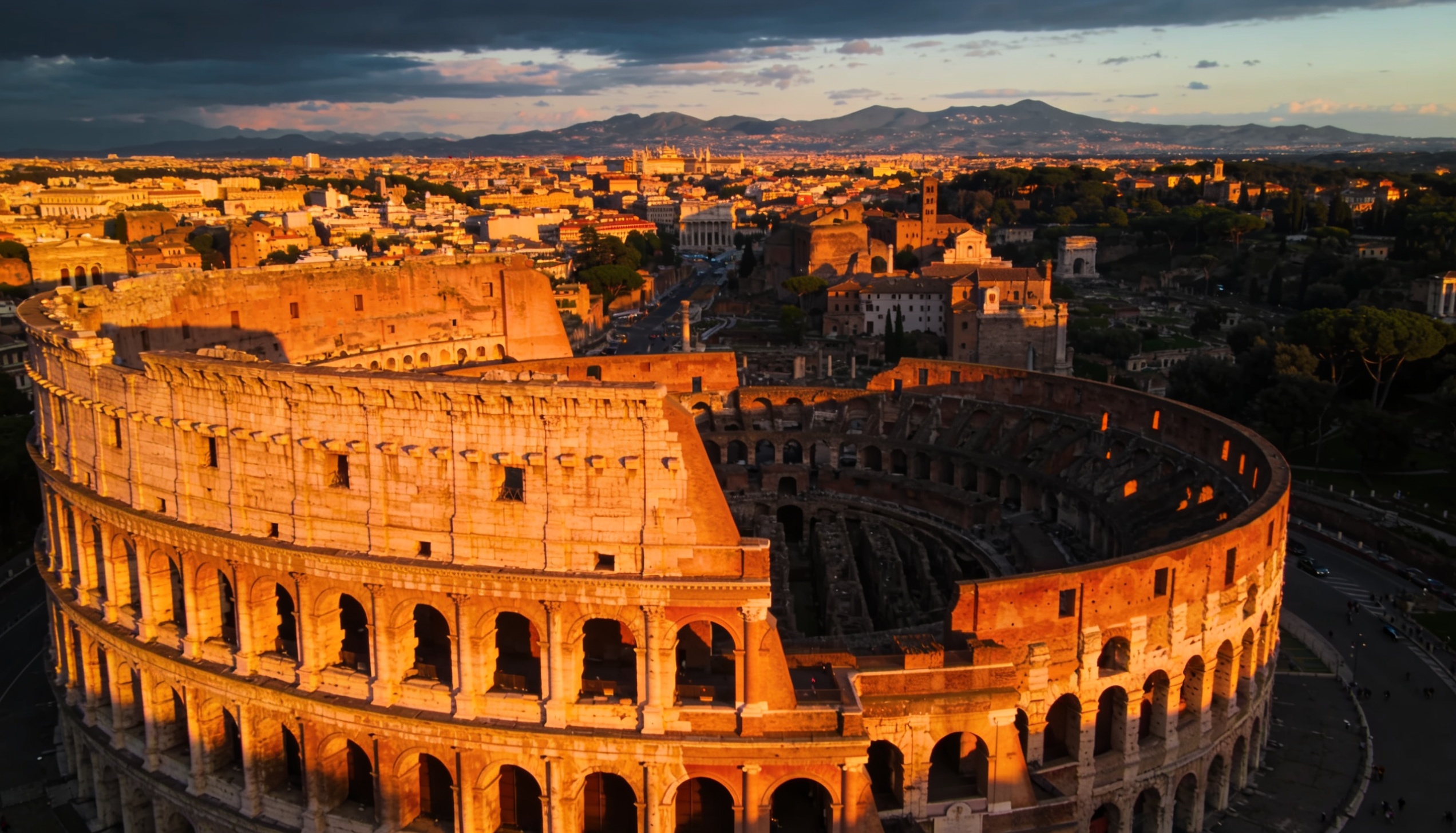
Rome is a city where you turn a corner and find a 2,000-year-old aqueduct in a supermarket car park, where a lunch stop might sit above the ruins of an imperial forum, where the same piazza has been a market, a chariot racing track, and a tourist destination across three different civilisations. The problem with Rome is not a lack of things to see — it's having so much to see that visitors spend most of their time running between monuments without pausing to understand what they're looking at. This guide is built around slowing that down.
The Colosseum and the Roman Forum — Go Early
The Colosseum is the most visited ancient monument in the world, and the one where the difference between a good visit and a forgettable one comes down entirely to timing and preparation. Book timed entry tickets in advance — walk-up queues regularly exceed 90 minutes. The first entry slot of the day (9am) is the best: lighter crowds, cooler temperatures from May through September, and better light for the arena floor. The underground and third-tier add-ons require separate tickets but provide access to the hypogeum (the subterranean corridor network where animals and gladiators were held before combat) and elevated views of the oval that aren't possible from the standard access floors.
The Roman Forum is included in the Colosseum ticket and is the most historically layered site in Rome — the same ground holds temples from the 6th century BC, imperial monuments from the 1st century AD, and a medieval church built directly into the ruins. The Via Sacra running through the centre was Rome's main ceremonial road for over a millennium. Hire an audio guide or read in advance — without context, the Forum's field of rubble gives little indication of what it actually was.
Palatine Hill, also included in the standard ticket, overlooks the Forum from the south. The imperial palaces built here — the word "palace" derives from Palatine — have left foundations and some mosaic floors visible. The views from the hill over the Circus Maximus (the ancient chariot-racing stadium, now a public park) and across to the Aventine Hill are among the best in Rome and almost entirely unacknowledged by visitors who pass through quickly.
The Vatican — The Sistine Chapel is Worth the Lines
The Vatican Museums contain one of the most significant art collections in the world, assembled by the Catholic Church over five centuries. The queue is the main obstacle — summer lines without pre-booking regularly reach three or more hours. Book the first entry slot of the day (8am) directly through the Vatican Museums official website, which gives you the Sistine Chapel at its quietest. The galleries leading there — the Gallery of Maps, the Raphael Rooms, the Gallery of Tapestries — are genuinely worth the time rather than just a long corridor to the famous room at the end.
The Sistine Chapel ceiling is larger than most visitors expect. Michelangelo painted it between 1508 and 1512 lying on scaffolding, painting fresco on wet plaster with no ability to step back and see the whole. The central panels — the Creation of Adam with the extended hand, the Separation of Light and Darkness — are in the middle of the ceiling, not at the altar end. The Last Judgement on the altar wall was painted 25 years later, in a different and harsher visual style, when Michelangelo was in his 60s.
St Peter's Basilica is free to enter (separate from the Vatican Museums) and can be visited independently. The dome can be climbed for a view over Rome and down into the basilica — there are stairs to the first level (less effort) and continuing stairs to the top of the dome (more effort, better view). The dress code is enforced: covered shoulders and knees required.
Booking note for 2026: The Vatican Museums and Colosseum both require advance booking during peak months (April to October). Pre-booking has effectively become mandatory for any visitor who doesn't want to lose half a day in queues. Book directly through official sites — third-party tickets are often significantly more expensive for identical entry.
Trastevere and the Neighbourhood Rome
Trastevere is the neighbourhood on the western bank of the Tiber that most closely resembles the Rome of a generation ago — cobblestone streets narrow enough that two Vespas barely pass each other, ivy-covered medieval buildings, and a piazza life that begins properly at aperitivo hour and continues well past midnight. The Basilica di Santa Maria in Trastevere is the neighbourhood's anchor — its 12th-century apse mosaics are among the finest in Rome, and the church is almost never crowded. Arrive after the Saturday morning market on Piazza di San Cosimato for the full neighbourhood rhythm.
The Prati neighbourhood, immediately north of the Vatican, is where Romans who work near St Peter's go for lunch — good trattorie, a proper market (Mercato Trionfale, one of Rome's largest food markets), and a working residential character that the tourist-heavy areas lack. It's a 15-minute walk from the Vatican Museums exit.
What to Eat in Rome
Roman pasta has four canonical forms: cacio e pepe (pasta with pecorino romano and black pepper, nothing else), carbonara (guanciale, egg yolk, pecorino, black pepper — no cream), amatriciana (tomato, guanciale, pecorino), and gricia (guanciale and pecorino, without the tomato). All four are straightforward to make badly and very difficult to make well. The difference between a good version and a mediocre one is immediately apparent.
Supplì are Rome's street food — fried rice balls filled with tomato ragù and mozzarella, eaten hot from the fryer at market stalls or dedicated supplì shops. They're the correct thing to eat while walking around the city centre. Artichokes prepared Roman-style (alla romana, braised with herbs) or Jewish-style (alla giudia, deep-fried until completely crispy) are the city's most distinctive vegetable dish and in season from February to April. Gelato quality varies enormously — artigianale (artisan) gelaterias with covered display cases and natural-looking colours are the benchmark.
Avoid tourist traps near the major sights: Restaurants immediately surrounding the Colosseum, Trevi Fountain, and Piazza Navona are primarily designed for one-time visitors. A 10-minute walk from any major sight into a residential street immediately changes the quality-to-price ratio of everything available.
When to Visit Rome
April and May are the best months — mild temperatures (15–22°C), long daylight hours, and the city in full spring bloom before the summer heat arrives. June through August are hot (regularly above 35°C) and extremely crowded; if you visit in this period, start every day before 9am and take a Roman approach to the midday heat by moving indoors for a few hours. September and October are excellent — crowds thin slightly, temperatures drop to comfortable, and the autumn light on the terracotta buildings is particularly beautiful. November through February is the low season — cheaper accommodation, almost no queues at major sights, and a Rome that belongs more to its residents.
Frequently Asked Questions
How many days do you need in Rome?
Three days covers the Colosseum, Roman Forum, Vatican, Trastevere, and the city centre highlights (Pantheon, Piazza Navona, Campo de' Fiori, Trevi Fountain). Four to five days lets you go deeper — a day in Trastevere and Prati, the Borghese Gallery (which requires advance booking), and the Appian Way. A week starts to feel like you're beginning to understand what Rome actually is rather than collecting photographs of it.
Is Rome safe for tourists?
Rome is a safe city for tourists in terms of violent crime. Pickpocketing is a significant issue in crowded areas — particularly on the metro Line A (which serves the Vatican and major sights), around the Colosseum, near the Trevi Fountain, and at the Termini train station. Use a front-pocket or zip-close bag, keep phones in your pocket in crowds, and be particularly alert on packed metro cars where the physical proximity makes it easy for experienced thieves to work. These precautions are straightforward and the risk is entirely manageable with basic awareness.
Do I need to book Rome attractions in advance?
Yes, for the Colosseum, Vatican Museums, Borghese Gallery, and Castel Sant'Angelo, advance booking is effectively required from April through October. Walk-up queues for the Colosseum and Vatican regularly exceed 90 minutes in peak season, and the Borghese Gallery only admits visitors in 2-hour timed slots — it sells out days ahead. Book directly through official websites. Everything else — the Pantheon (which introduced a small entry fee in recent years), Trastevere, the Campo de' Fiori, and walking the city — requires no booking.
What is Rome best known for?
Rome is best known for its ancient history — the Colosseum, the Roman Forum, the Pantheon (built 125 AD and the best-preserved ancient building in the world), and the remains of the Roman Empire visible across the city. The Vatican and Sistine Chapel are the centrepiece of Catholic heritage. Roman food culture — cacio e pepe, carbonara, supplì, gelato — is a genuine draw. And the city's character as a living place built in and around 2,500 years of continuous human occupation is unlike anywhere else in the world.
Heading to Rome? Compare eSIM plans for Italy before you fly.
Italy eSIM plans compared side by side — data, validity, real-time pricing. Free, no sign-up. roamprice.com →