Things to Do in Seoul: The Essential 2026 Travel Guide
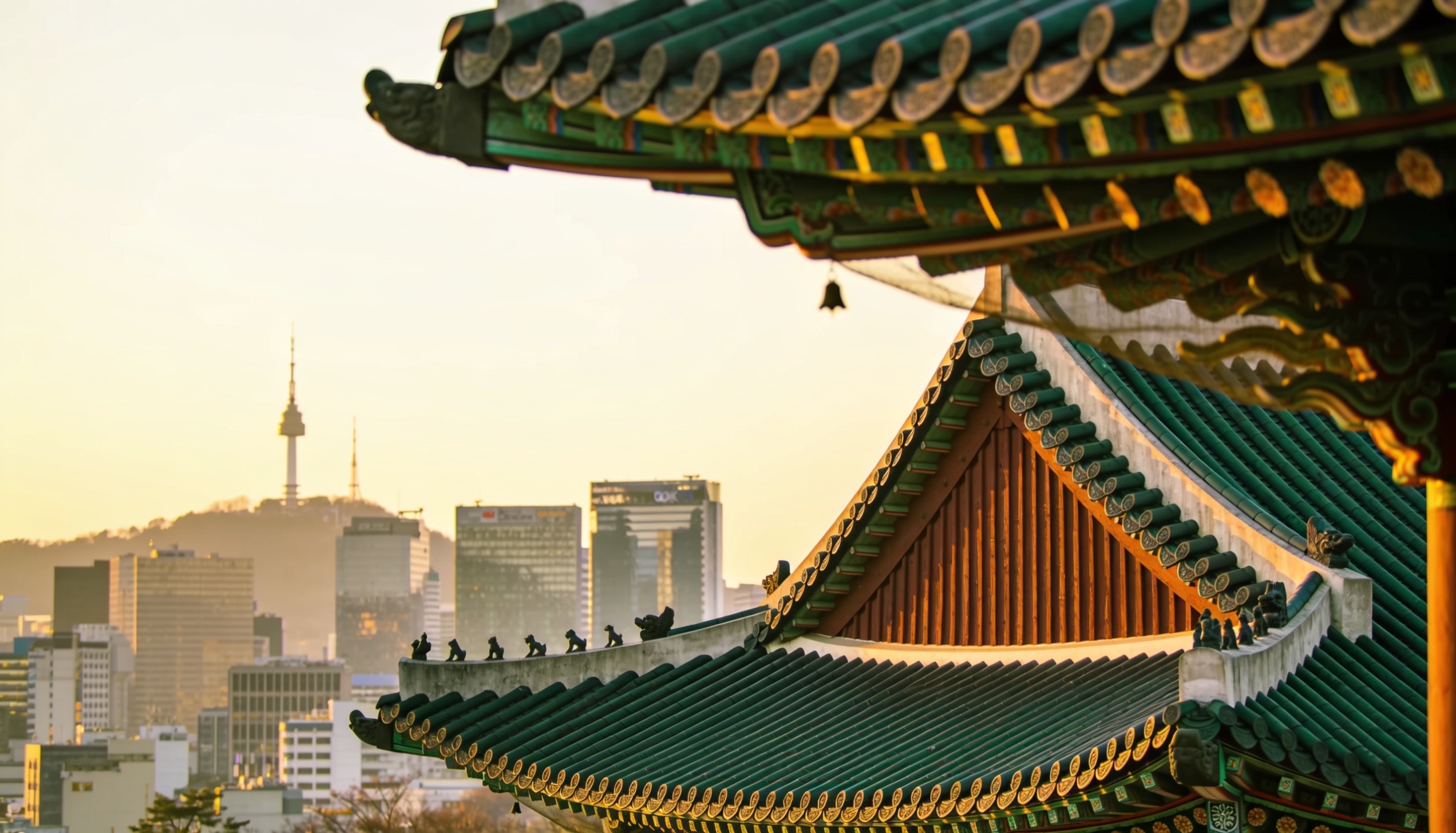
Seoul is the kind of city that makes you re-calibrate your sense of scale. Fourteen million people inside the city limits, a metro system so efficient it becomes a point of civic pride, and a cultural output — in food, fashion, film, and music — that has made South Korea one of the most visited countries in the world. The things to do in Seoul run the full spectrum: 600-year-old palaces a short walk from warehouses converted into some of Asia's best coffee shops, night markets that stay busy until 4am, and mountain trails accessed directly from the city center. This guide covers what to actually prioritize on a first visit, with practical timing for each.
Palaces and Traditional Seoul
Gyeongbokgung Palace is the obvious starting point, and the obvious starting point happens to be genuinely spectacular. Founded in 1395 by the Joseon dynasty, the complex is the largest of Seoul's five grand palaces and sits at the northern end of the city with Bukhansan mountain rising directly behind it. The National Museum of Korea and the National Folk Museum are both on the palace grounds, making the site a full morning on its own. Go early — by 10am the main courtyard fills up, and the light is better before then. Admission is 3,000 won; entry is free if you're wearing a hanbok (traditional Korean dress), which you can rent from shops just outside the main gate.
Five minutes' walk east of Gyeongbokgung is Bukchon Hanok Village, a hillside neighbourhood of restored traditional houses — hanoks — with wooden beams, clay-tiled roofs, and narrow alleys that somehow survived the 20th century intact. It is genuinely beautiful, but also genuinely busy from around 10am onwards. Arrive before 9am for something close to a quiet version. The neighbourhood is residential; keep noise down on the residential streets — signs remind visitors of this throughout.
South of Gyeongbokgung, Insadong is Seoul's most concentrated strip of galleries, traditional teahouses, craft shops, and street vendors selling food that's been around for decades. It is busy and a little touristy, but the food is real — look for the shops selling traditional Korean sweets, and try a bowl of bingsu (shaved ice with toppings) at one of the older teahouses on the back streets.
Seoul's Creative Neighborhoods — Hongdae and Seongsu
Hongdae is Seoul's university district and has been the city's creative heartland for years: indie music venues, small galleries, late-night cafes, and a street culture that ranges from cover dancers performing in public squares to impromptu art markets on weekends. It is younger and louder than most of the city, which is exactly the point. The best time to visit is early evening — the area comes alive around 6pm and doesn't slow down until well past midnight. The streets immediately around Hongik University station (Line 2) are the core; explore the back alleys rather than the main drag for the better places.
The bigger story in 2026 is Seongsu-dong, which has overtaken Hongdae as Seoul's most discussed neighbourhood among younger visitors and locals alike. Former factory buildings and leather workshops have been converted into some of the most architecturally striking cafes and concept stores in Asia. HAUS NOWHERE, Gentle Monster's mind-bending flagship space, is here — less a shop than an installation that changes every few months. Seongsu Yeonbang, a carefully curated cluster of boutiques and craft studios, and half a dozen independent roasters make it worth a full afternoon. It is accessible on Line 2 from Hongdae in about 20 minutes.
Markets and What Seoul Actually Eats
Gwangjang Market is the food stop most referenced online — its bindaetteok (mung bean pancakes) and mayak gimbap (sesame-seed rice rolls) became famous partly through Korean food documentaries, which means it is now busy with tourists. That doesn't make the food worse. The stalls on the main food alley are run by the same families that have been cooking the same dishes for decades, and the quality holds. Come hungry and willing to share a bench with strangers. If the crowds are too much, Mangwon Market (near Mangwon station on Line 6) is the local alternative — more chaotic, less photographed, arguably better.
Korean barbecue deserves its own sentence: eating it at a restaurant in Seoul is categorically different from eating it anywhere else, and it should be on the itinerary at least once. The basic format — raw meat cooked over a charcoal grill at the table, eaten with banchan (small side dishes) and wrapped in perilla leaves — is the same everywhere, but the quality of the meat and the cooking technique vary enormously. Eat at lunchtime rather than dinner if you want to avoid queues at the better spots; some of the most respected K-BBQ restaurants in Mapo-gu and Mapo district open at 11:30am and fill up by noon.
N Seoul Tower, DDP, and the City's Landmarks
N Seoul Tower sits on top of Namsan Mountain and offers the best 360-degree view of the city — at night the panorama of lights is particularly striking. You can reach the tower by cable car from the Namsan Cable Car station (Myeongdong area) or on foot up one of two hiking trails, the shorter of which takes about 40 minutes. The observation deck charges admission; the outdoor areas around the tower are free and worth the walk even without going inside. Most visitors come in the evening — if you prefer daylight views, come in the late afternoon and stay for the transition.
The Dongdaemun Design Plaza (DDP), designed by Zaha Hadid and opened in 2014, remains one of Seoul's most visually distinctive buildings — a seamless silvery mass of curved steel that looks like it landed rather than was built. The surrounding Dongdaemun area is one of Seoul's largest fashion and wholesale districts, open extremely late (some buildings until 5am), with the night market outside DDP running until around 2am most evenings.
Cheonggyecheon Stream is a 10-kilometre restored urban waterway running through the centre of the city. What was once an elevated freeway was demolished in 2005 and replaced with a pedestrian-lined stream. It is not spectacular in the way a palace is spectacular, but it is one of the most pleasant walking routes in the city — cool in summer, lively in spring, and illuminated by lanterns during the Seoul Lantern Festival each November.
Seoul in 2026 — What's Different
The most discussed new experience in Seoul in 2026 is Personal Color Analysis — a one-hour session with a stylist who uses fabric swatches to determine which specific shades of clothing and makeup best suit your skin tone. It sounds niche but has become genuinely mainstream among local Seoulites and visiting tourists alike, with studios booked weeks in advance in Seongsu and Hongdae. Walk-in availability exists but is unreliable; booking online before arrival is the practical approach.
Seongsu-dong's transformation has continued to accelerate. The area around Seongsu Station (Line 2) now has a density of high-design cafes and concept stores that rivals Shibuya's Omotesando strip in Tokyo, but with a distinctly local character — fewer international brands, more Korean designers and roasters who built their following domestically before expanding. It is the part of Seoul most likely to surprise first-time visitors who came expecting only palaces and markets.
Seoul Travel Tips
The Seoul Metro is the backbone of the city. It covers 23 lines and virtually every attraction worth visiting, runs from around 5:30am to midnight, and costs under 2,000 won per trip with a T-money card (a reloadable transit card available at any convenience store). Buy a T-money card on arrival — it works on buses, taxis, and the metro, and is cheaper than paying per-trip with cash.
The best seasons are spring (March–May) and autumn (September–November). Spring brings cherry blossoms to Yeouido and the Han River parks around late March to mid-April; autumn turns the mountains ringing the city in amber and red. Summers are hot and humid with heavy rain in July and August; winters are cold and dry, often below freezing. All seasons are manageable — Seoul is a year-round city with indoor infrastructure to match.
Kakao Maps is more accurate than Google Maps for Seoul's street-level navigation — walking directions in particular are often better. Download it before arrival. For food recommendations, Naver Map (the Korean equivalent of Google Maps) is what locals use; most listings are in Korean, but the reviews are genuine and the star ratings reliable.
Frequently Asked Questions
How many days do you need in Seoul?
Four to five days covers the main palaces, two or three key neighbourhoods, a market visit, and enough meals to get a real sense of how Seoul eats. Three days is possible if you stay focused, but you'll leave with a list of things you didn't reach. A week gives you room to slow down, take a day trip to the DMZ or Incheon, and revisit places you liked.
Is Seoul safe for solo travellers?
Seoul is consistently ranked among the safest major cities in the world for solo travel — including solo female travel. Violent crime against tourists is rare. The main concerns are standard urban ones: pickpocketing in very crowded areas (Myeongdong, Hongdae on weekends) and traffic near pedestrian crossings. The metro runs late and is well-lit; taxis are metered and generally honest.
What is the best neighbourhood to stay in Seoul?
Myeongdong is the most central and convenient for first-timers — close to the metro, near major landmarks, and surrounded by food and shopping. Insadong/Jongno puts you closer to the palaces and a quieter pace. Hongdae is better for travellers who want nightlife and a younger atmosphere. Gangnam is well-connected but further from the historical sites.
Do I need to speak Korean to visit Seoul?
No — tourist areas, metro signs, and most restaurants in central Seoul have English signage or menus. Younger Seoulites generally speak functional English. Outside the tourist belt, English is less common, but Papago (Naver's translation app) handles Korean menus and signs accurately and works offline. Google Translate's camera mode also reads Korean well.
What is the best time of year to visit Seoul?
Spring (late March to May) for cherry blossoms and mild weather, and autumn (September to November) for foliage and clear skies — these are the two most popular windows and for good reason. Summer is hot, humid, and rainy (monsoon season peaks in July). Winter is cold but manageable, and hotel rates drop significantly. Avoid the Chuseok and Lunar New Year holiday periods unless you've booked accommodation well in advance.
Heading to South Korea? Compare eSIM plans before you fly.
Find the best travel eSIM plan for Seoul and beyond — compare providers by data, validity, and price per GB. Free, unbiased, no sign-up required.
Compare South Korea eSIM plans →