Things to Do in Tokyo: The Essential 2026 Travel Guide
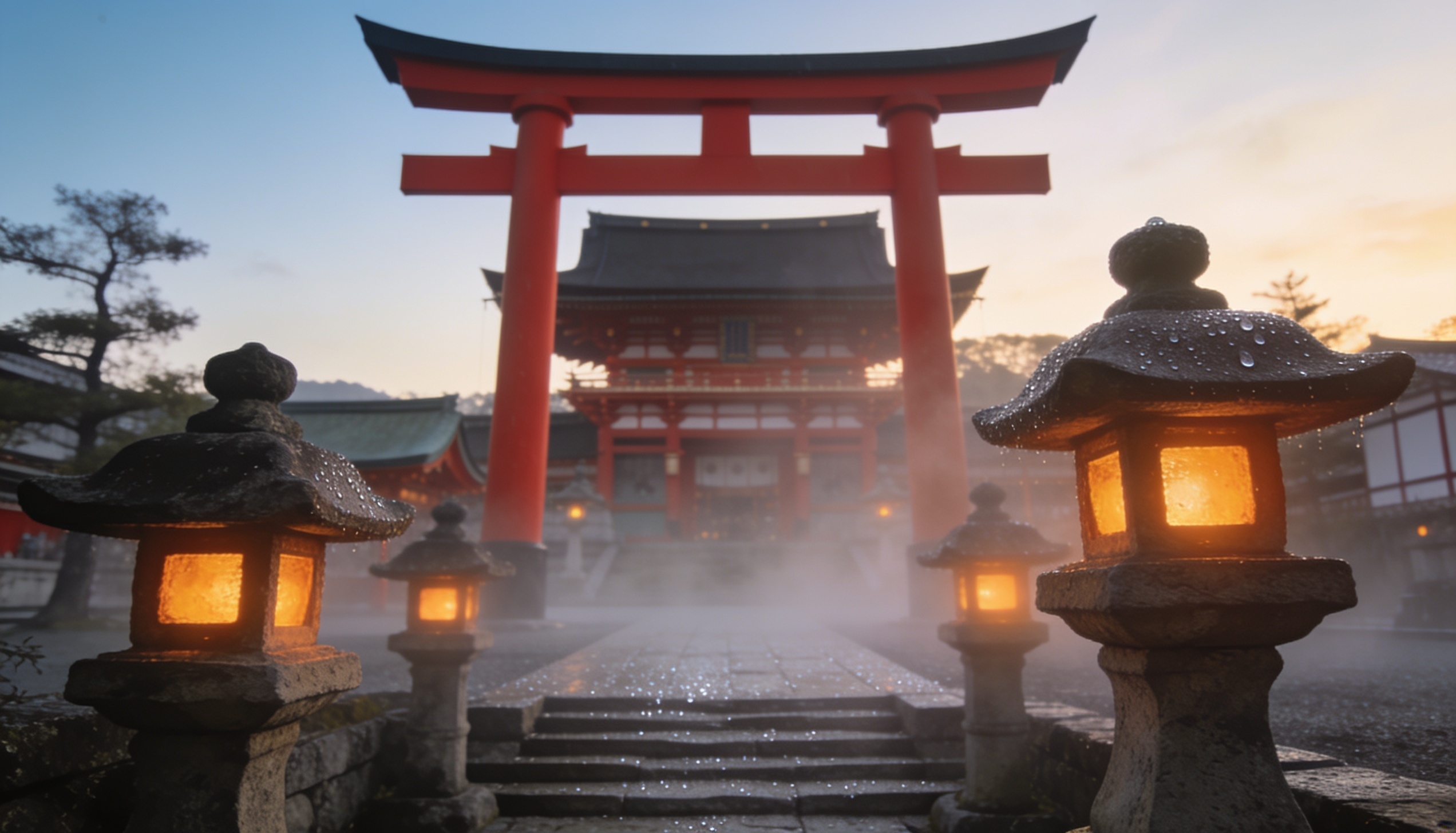
Tokyo is the world's largest city — and somehow, it never feels overwhelming. Thirteen million people, and yet the streets are quiet at 7am. Vending machines on every corner, bullet trains running to the second, and tucked between a department store and a convenience store, a 500-year-old shrine. Tokyo is the rare city that rewards both the obsessive planner and the person who simply starts walking. This guide covers the things to do in Tokyo that actually matter, organized by neighborhood, with the practical details that most travel guides skip.
Asakusa — Where Old Tokyo Lives
Asakusa is the most direct route to pre-modern Tokyo, and the right place to start any visit. The centerpiece is Senso-ji Temple, Tokyo's oldest, founded in 645 AD. The approach — through the Kaminarimon (Thunder Gate) with its 700-kilogram red lantern, down Nakamise-dori lined with vendors selling ningyo-yaki and senbei — is the single most recognizable stretch of street in the city. The temple grounds are free and technically open 24 hours, though the main hall closes around 17:00.
Timing tip: Arrive before 8:00am. The lantern is unobstructed, the incense smoke still hangs in the air, and you'll have the courtyard largely to yourself. By 10:00am it's tour-group territory.
Beyond the temple, Asakusa rewards slower walking. The back streets behind Senso-ji — past traditional craft shops, small izakayas, and the narrow lanes of Hoppy Street — are a different city from the one tourists typically see. The Sumida River walk connects Asakusa to the Skytree in under 20 minutes on foot, with views of both the pagoda and the tower from the same vantage point at the right angle.
The Edo-Tokyo Museum in nearby Ryogoku is worth the detour in 2026. After four years of renovations — its first major overhaul since 1993 — it reopened on March 31, 2026, with new exhibits and a full-scale recreation of a historic Meiji-era watch shop. It's the best overview of how Tokyo evolved from a feudal capital into a modern megalopolis. New 2026
Things to Do in Tokyo: Shibuya and Harajuku
Shibuya and Harajuku sit two stops apart on the Yamanote Line and cover two very different sides of Tokyo's energy.
Shibuya Scramble Crossing delivers on its reputation. Up to 3,000 people cross simultaneously at peak times, and the visual from the second-floor window of the Starbucks or from Shibuya Sky observation deck above the station is genuinely unlike anything else. But Shibuya is more than the crossing — the area around Daikanyama and Nakameguro, 10 minutes south on foot, is where Tokyo gets quietly excellent. The Nakameguro canal at cherry blossom season is the city's most photographed spot for good reason; outside of April it's a neighborhood of independent coffee shops, small galleries, and the best bookstore in Tokyo (Tsutaya Books in Daikanyama T-Site).
Harajuku splits in two. Takeshita Street is loud, teenage, and worth exactly 20 minutes — the crepes are good, the fashion is genuinely outrageous, and it's unlike any other street on earth. Then exit onto Omotesando, the opposite direction entirely: wide tree-lined boulevard, flagship architecture by Tadao Ando and Herzog & de Meuron, and the best outdoor café seating in the city. Meiji Shrine sits at the top of this axis — 70,000 trees, a gravel path, and complete quiet 10 minutes from Harajuku Station.
Shinjuku — The City Within the City
Shinjuku is the first-timer's best base. The station — the world's busiest by some measures — connects the Yamanote Line, the Chuo Line, multiple subway lines, and long-distance buses in one interchange. East of the station is the entertainment district: Kabukicho (Tokyo's largest red-light district, worth walking through in the evening for the sheer spectacle), the narrow alleys of Golden Gai (over 200 tiny bars, each fitting 6–8 people, each with its own character), and the always-open electronics of Yodobashi Camera.
West of the station is the business district — the Tokyo Metropolitan Government Building offers free observation decks on both its north and south towers, open until 23:00 on most nights and as good a view of the city as anything you'd pay for. On a clear day in autumn or winter, Mount Fuji appears at the far left edge of the horizon.
Golden Gai rule: Most bars are open to all, but some are regulars-only or have a seating charge. If there's a sign on the door and you can't read it, ask before sitting. The bars that want tourists will make it obvious.
Beyond the Big Three — Tokyo Neighborhoods Off the Tourist Map
Once you've covered Asakusa, Shibuya, and Shinjuku, the next layer of Tokyo is more interesting. These three neighborhoods are where the city actually lives.
Shimokitazawa is Tokyo's indie music and vintage fashion heartland — a hillside warren of narrow streets too tight for cars, with live venues, secondhand record shops, tiny theatre companies, and the best concentration of independent cafés in the city. It takes 10 minutes by Keio Inokashira Line from Shibuya. Come on a weekend afternoon and stay for a show.
Yanaka, in northeast Tokyo, is the neighborhood that wasn't rebuilt after the war and wasn't redeveloped in the bubble era — which means it still has old wooden shopfronts, a working cemetery full of cats, a covered shopping street (Yanaka Ginza) that feels like 1965, and temple after temple in a 15-minute walk. It's the most photographed "hidden Tokyo" for a reason.
Koenji sits on the Chuo Line between Shinjuku and Kichijoji. It's louder than Shimokitazawa, more chaotic, and more genuinely alternative — punk record shops, used clothing stacked floor to ceiling, and an August Awa Odori festival that brings 500,000 people to the streets. Worth a half-day if you have one to spare.
New in Tokyo 2026
Two major attractions opened or reopened this year that weren't on any previous Tokyo list.
PokePark Kanto opened February 5, 2026, inside Yomiuriland, about 30 minutes from central Tokyo by train. It's the world's first permanent outdoor Pokémon park — 26,000 square metres, with two distinct zones (Pokémon Forest and Sedge Town) and over 600 Pokémon characters integrated throughout. It's aimed at families but the level of design detail makes it worth the trip regardless. Open Feb 2026
The Edo-Tokyo Museum in Ryogoku reopened on March 31, 2026, after four years of closure for its first major renovation since 1993. The renovation added new exhibits and a full-scale Meiji-era streetscape. Located next to the Kokugikan Sumo Hall, it pairs well with a sumo tournament visit if timing aligns (tournaments run in January, May, and September). Reopened Mar 2026
Tokyo Travel Tips for First-Timers
Get a digital IC card before you arrive. Suica and Pasmo can be added to Apple Wallet or Google Wallet before you land. Tap in, tap out — it works on every train, subway, bus, and most convenience stores in Tokyo. The physical card shortage of 2023–2024 has resolved, but the digital version is faster and doesn't require a deposit. Set one up the night before your flight.
Google Maps is reliable. Unlike some cities, Google Maps in Tokyo correctly identifies train lines, platforms, and interchange walking times. The transit directions are essentially exact. Use it confidently.
Best time to visit. Spring (late March to early April) for cherry blossoms and autumn (late September to mid-November) for foliage are the two peak seasons — worth experiencing but also the most crowded and expensive. May and October offer near-identical weather with fewer crowds and better accommodation availability. Winter is underrated: cold but clear, crowds are lower, and Mount Fuji is most visible from December through February.
Budget realistically. Tokyo is not an expensive city if you eat where locals eat. Ramen shops, soba counters, conveyor belt sushi, and convenience store food are all excellent and inexpensive. Restaurant prices climb sharply at the high end but the middle ground is very good value. The trains are similarly reasonable for individual journeys; a day pass on some lines is worth calculating for heavy-transit days.
Frequently Asked Questions
How many days do you need in Tokyo?
Four days is the minimum for a meaningful visit — enough to cover Asakusa, Shibuya/Harajuku, Shinjuku, and one off-the-beaten-path neighborhood. Seven days lets you add day trips (Nikko, Hakone, Kamakura), slower neighborhood walks, and the parts of the city you'll only find by wandering. Most repeat visitors find three or four days still leaves things undone — Tokyo rewards longer stays disproportionately.
What are the best free things to do in Tokyo?
Senso-ji Temple (Asakusa), Meiji Shrine (Harajuku), the grounds of the Imperial Palace East Gardens, Ueno Park, walking Nakameguro canal, and the Tokyo Metropolitan Government Building observation deck (open until 23:00 on most nights) are all free. The Yanaka district is entirely free to explore. Tsukiji Outer Market is free to walk through — you'll just spend money eating, which is unavoidable and worth it.
Is Tokyo safe for solo travelers?
Yes — Tokyo consistently ranks as one of the world's safest cities for solo travelers, including solo women. Lost property is almost always handed in. The train system works reliably at any hour. The main risk is getting turned around in the larger stations (Shinjuku station has 200 exits), which Google Maps handles well once you know to look at the exit numbers rather than compass directions.
What is the best neighborhood to stay in for a first visit?
Shinjuku for transport convenience — it connects to everywhere and has accommodation at every price point. Asakusa for atmosphere — staying near the temple puts you in old Tokyo and within easy reach of the rest of the city. Shibuya for nightlife and shopping. Most first-timers do well in Shinjuku or Shibuya; Asakusa is better for those who prioritize atmosphere over transit speed.
Do I need to speak Japanese to visit Tokyo?
No. Major attractions, train stations, menus, and hotel check-ins are routinely available in English. Google Translate's camera function handles menus and signs that aren't. The trickier situations — asking for directions in a small shop, navigating a phone-only reservation system — are real but rarely critical. Most locals are helpful when approached with patience, and plastic food displays outside most restaurants make ordering by pointing entirely viable.
Heading to Japan? Compare eSIM plans before you fly.
See every travel eSIM plan for Japan ranked by price per GB — free, no sign-up — at roamprice.com/country/japan